| Voiceless palatal plosive |
|---|
|
| IPA Number | 107 |
|---|
|
|
source · help |
|
| Entity (decimal) | c |
|---|
| Unicode (hex) | U+0063 |
|---|
| X-SAMPA | c |
|---|
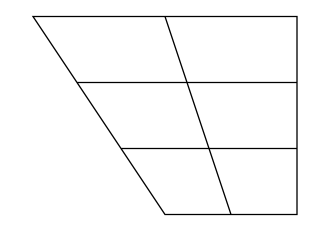
The voiceless palatal stop is a type of consonant. The letter for this sound in the International Phonetic Alphabet is ⟨c⟩. The X-SAMPA symbol for this sound is ⟨c⟩. The English language does not have this sound.
Characteristics
- The phonation is voiceless. This means that this sound is produced without vibrations of the vocal cords. In some languages the vocal cords are actively separated, so it is always voiceless; in others the cords are lax, so that it may take on the voicing of adjacent sounds.
- The place of articulation (where the sound is produced) is palatal. This means that this sound is produced with the middle or back part of the tongue raised to the hard palate.
- The manner of articulation (how the sound is produced) is stop, or plosive. This means that this sound is produced by obstructing airflow in the vocal tract. (The term plosive contrasts with nasal stops, where the blocked airflow is redirected through the nose.)
Alveolo-palatal
| Voiceless alveolo-palatal plosive |
|---|
|
|
The voiceless alveolo-palatal plosive is a type of consonantal sound, used in some spoken languages. It is not in English.
Characteristics
- The phonation is voiceless. This means that this sound is produced without vibrations of the vocal cords. In some languages the vocal cords are actively separated, so it is always voiceless; in others the cords are lax, so that it may take on the voicing of adjacent sounds.
- The place of articulation (where the sound is produced) is alveolo-palatal. This means that:
- The place of articulation (where the sound is produced) is postalveolar. This means that the tongue touches the top of the mouth in the place behind the alveolar ridge (the gum line).
- Its tongue shape is laminal. This means that the tongue blade touches the top of the mouth.
- It is palatalized. This means that the middle of the tongue is curved and raised towards the hard palate.
- The manner of articulation (how the sound is produced) is stop, or plosive. This means that this sound is produced by obstructing airflow in the vocal tract. (The term plosive contrasts with nasal stops, where the blocked airflow is redirected through the nose.)
Examples
| Language | Word | IPA | Meaning | Notes |
|---|
| Albanian | shqip | [ʃc̟ip] | 'Albanian' | Often described as a palatal /c/ but can be more advanced (alveolo-palatal). |
| Korean | 티끌 (tikkeul) | [t̠ʲʰiʔk̤ɯl] | 'dust' | Aspirated; often transcribed as /ȶʰ/ in Sinological notation. |
| Polish | ciało | [t̠ʲalɔ] | 'body' | The stop component of the affricate /t͡ɕ/ is phonetically alveolo-palatal. |
| Slovak | deti | [ɟɛc̟i] | 'children' | The soft "t" in Slovak is often realized in the alveolo-palatal region. |
|
|---|
IPA topics |
|---|
| IPA | |
|---|
| Special topics | |
|---|
| Encodings |
- ASCII encodings
- TIPA
- Phonetic symbols in Unicode
- IPA Braille
|
|---|
|
|
|
|