Voiced retroflex nasal

Voiced retroflex nasal
ɳ
Audio sample
source · help
Encoding
X-SAMPAn`

The voiced retroflex nasal is a sound used in some spoken languages. It is in Indian English but is similar to /n/ but your tongue is curled back.

Characteristics

  • The phonation is voiced. This means that the vocal cords vibrate while the sound is being pronounced.
  • The place of articulation (where the sound is produced) is retroflex, which prototypically means it is articulated sub-apical - with the tip of the tongue curled up. But more generally This means that it is postalveolar without being palatalized. That is, besides the prototypical sub-apical articulation, the tongue contact can be apical (pointed) or laminal (flat).
  • It is a nasal consonant. This means that air is allowed to escape through the nose, either exclusively (nasal stops) or in addition to through the mouth.

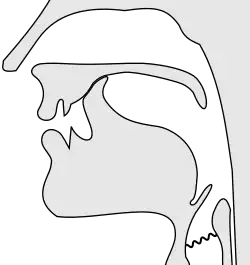
Examples

LanguageWordIPAMeaningNotes
BengaliRare; occurs in the extreme western dialects
Enindhilyagwayingarna[jiŋaɳa]'snake'
Faroeseørn[œɻɳ]'eagle'
Hindiठण्डा/ṭhaṇḍā[ʈʰəɳɖaː]'cold'
Kannadaಅಣೆ/aṇe[ɐɳe]'dam'
KhantyEastern dialectseṇə[eɳə]'large'
Some northern dialects
Malayalamഅണ/aṇa[ɐɳɐ]'jaw'
Nepaliअण्डा/aṇḍā[ʌɳɖä]'egg'See Nepali phonology
Norwegiangarn[ɡɑːɳ]ⓘ'yarn'See Norwegian phonology
Odiaବଣି/baṇi[bɔɳi]'old'
Pashtoاتڼ/Ataṇ[at̪aɳ]ⓘ'Attan'
Punjabi Gurmukhi ਪੁਰਾਣਾ/purāṇā [pʊraːɳaː] 'old'
Shahmukhi پُراݨا/purāṇā
SwedishCentral Standardgarn[ɡɑːɳ]ⓘ'yarn'See Swedish phonology
Tamilஆண்/āṇ[aːɳ]ⓘ'male'See Tamil phonology
Vietnameseanh trả[aɳ˧ ʈa˨˩˦]'you pay'Pronunciation of /n/ before the /ʈ/ in Saigon dialect. See Vietnamese phonology

Index of phonetics articles