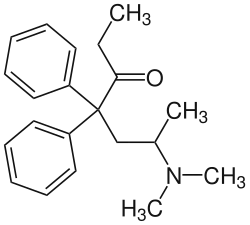
Methadone Methadone is a synthetic opioid .[ 1] analgesic and in opioid withdrawal therapy. It has the benefit over other drugs that can help with coming off of opioids in that the user can go straight to methadone at a low dose and have it raised to a level where it works for them.
Besides relieving pain, it is also used to treat addiction to opioid narcotics , and some illegal drugs [ 2] heroin or codeine mostly. Methadone can lead to adverse effects like memory loss , shortness of breath , throat pains, stomach aches , and anxiety attacks. The benefit of using methadone for pain however is how well most people tolerate it and its low potential for abuse or addiction over other opioids.
The main drawbacks of using methadone are the social stigma attached, the location of methadone clinics and the opportunities to sell the methadone to other addicts in order to pay for the drug they are addicted to. However, unlike for example with subutex, the person taking methadone does not have to stop taking opioids for a few days before they are able to get treatment, though with those drugs they may still have to come clean off methadone (which may be a lot easier for them).
In using methadone to come off of opioids, the dose starts low and is titrated up to a dose that works over the course of some weeks to a month (sometimes up to 3 months). From there, the user might stay on methadone for 5 to 10 years until they finally start to lower the dose and stop taking opioids altogether, though some people stay on it for life.
References
Cough and cold preparations (R05)
Expectorants
Potassium iodide Althea root
Antimony pentasulfide
Creosote
Guaiacolsulfonate
Guaifenesin (+ oxomemazine)
Ipecacuanha (Syrup of ipecac)
Levoverbenone
Senega
Tyloxapol
Ammonium Chloride Mucolytics
Acetylcysteine # Ambroxol
Bromhexine
Carbocisteine
Domiodol
Dornase alfa
Eprazinone
Erdosteine
Letosteine
Mannitol
Mesna
Neltenexine
Sobrerol
Stepronin Cough suppressants
Opium alkaloids,opioids ,
Codeine # Dextromethorphan Heroin Hydrocodone Laudanum Methadone Acetyldihydrocodeine
Benzylmorphine
Butorphanol
Dihydrocodeine
Dimemorfan
Droxypropine
Ethylmorphine
Hydromorphone
Isoaminile
Levomethadone
Levopropoxyphene
Nicocodeine
Nicodicodeine
Normethadone
Noscapine
Pholcodine
Thebacon
Tipepidine Other
Benzonatate Diphenhydramine Alloclamide
Benproperine
Bibenzonium bromide
Butamirate
Clobutinol
Clofedanol
Cloperastine
Dibunate
Dimethoxanate
Dropropizine
Fedrilate
Fominoben
Glaucine
Levodropropizine
Meprotixol
Moguisteine
Morclofone
Nepinalone
Oxolamine
Oxeladin
Pentoxyverine
Pipazetate
Prenoxdiazine
Piperidione
Zipeprol
MOR DOR KOR
Agonists: 3CS-nalmefene6'-GNTI
8-CAC
18-MC
14-Methoxymetopon
β-Chlornaltrexamine
β-Funaltrexamine
Adrenorphin (metorphamide)
Akuammicine
Alazocine (SKF-10047)
Allomatrine
Apadoline
Asimadoline
BAM-12P
BAM-18P
BAM-22P
Big dynorphin
Bremazocine
BRL-52537
Butorphan
Butorphanol
BW373U86
Cebranopadol
Ciprefadol
CR665
Cyclazocine
Cyclorphan
Cyprenorphine
Desmetramadol (desmethyltramadol)
Diamorphine (heroin) Diacetylnalorphine
Difelikefalin
Dihydroetorphine
Dihydromorphine
Dinalbuphine sebacate
Diprenorphine
Dynorphin A
Dynorphin B (rimorphin)
Eluxadoline
Enadoline
Eptazocine
Erinacine E
Ethylketazocine
Etorphine
Fedotozine
Fentanyl Gemazocine
GR-89696
GR-103545
Hemorphin-4
Herkinorin
HS665
Hydromorphone
HZ-2
Ibogaine
ICI-199,441
ICI-204,448
Ketamine Ketazocine
Laudanosine
Leumorphin (dynorphin B-29)
Levallorphan
Levomethorphan
Levorphanol
Lexanopadol
Lofentanil
LPK-26
Lufuradom
Matrine
MB-1C-OH
Menthol Metazocine
Metkefamide
Mianserin
Mirtazapine
Morphine Moxazocine
MR-2034
N-MPPP
Nalbuphine
NalBzOH
Nalfurafine
Nalmefene
Nalodeine (N-allylnorcodeine)
Nalorphine
Naltriben
Niravoline
Norbuprenorphine
Norbuprenorphine-3-glucuronide
Noribogaine
Norketamine
Oripavine
Oxilorphan
Oxycodone Pentazocine
Pethidine (meperidine) Phenazocine
Proxorphan
Racemethorphan
Racemorphan
RB-64
Salvinorin A (salvia)
Salvinorin B ethoxymethyl ether
Salvinorin B methoxymethyl ether
Samidorphan
Spiradoline (U-62,066)
TH-030418
Thienorphine
Tifluadom
Tricyclic antidepressants (e.g., amitriptyline, desipramine, imipramine, nortriptyline)
U-50488
U-54,494A
U-69,593
Xorphanol Antagonists: 4′-Hydroxyflavanone4',7-Dihydroxyflavone
5'-GNTI
6'-GNTI
6β-Naltrexol
6β-Naltrexol-d4
β-Chlornaltrexamine
Buprenorphine/samidorphan
Amentoflavone
ANTI
Apigenin
Arodyne
AT-076
Aticaprant
Axelopran
AZ-MTAB
Binaltorphimine
BU09059
Buprenorphine
Catechin
Catechin gallate
CERC-501 (LY-2456302)
Clocinnamox
CVL-354
Cyclofoxy
Dezocine
DIPPA
EGC
ECG
Epicatechin
Hyperoside
JDTic
LY-255582
LY-2196044
LY-2444296
LY-2459989
LY-2795050
MeJDTic
Methylnaltrexone
ML190
ML350
MR-2266
N-Fluoropropyl-JDTic
Naloxone Naltrexone Naltrindole
Naringenin
Norbinaltorphimine
Noribogaine
Pawhuskin A
PF-4455242
RB-64
Quadazocine
Taxifolin
UPHIT
Zyklophin Unknown/unsorted: AkuammicineAkuammine
Coronaridine
Cyproterone acetate
Dihydroakuuamine
Ibogamine
Tabernanthine NOP
Agonists: (Arg14,Lys15)Nociceptin((pF)Phe4 )Nociceptin(1-13)NH2
(Phe1 Ψ(CH2 -NH)Gly2 )Nociceptin(1-13)NH2
Ac-RYYRWK-NH2
Ac-RYYRIK-NH2
BU08070
Buprenorphine
Cebranopadol
Dihydroetorphine
Etorphine
JNJ-19385899
Levomethorphan
Levorphanol
Lexanopadol
MCOPPB
MT-7716
NNC 63-0532
Nociceptin (orphanin FQ)
Nociceptin (1-11)
Nociceptin (1-13)NH2
Norbuprenorphine
Racemethorphan
Racemorphan
Ro64-6198
Ro65-6570
SCH-221510
SCH-486757
SR-8993
SR-16435
Sunobinop (S-117957)
TH-030418 Antagonists: (Nphe1 )Nociceptin(1-13)NH2 AT-076
BAN-ORL-24
BTRX-246040 (LY-2940094)
J-113,397
JTC-801
NalBzOH
Nociceptin (1-7)
Nocistatin
SB-612,111
SR-16430
Thienorphine
Trap-101
UFP-101 Unsorted
β-Casomorphins
Amidorphin
BAM-20P
Cytochrophin-4
Deprolorphin
Gliadorphin (gluteomorphin)
Gluten exorphins
Hemorphins
Kava constituentsMEAGL
MEAP
NEM
Neoendorphins
Nepetalactone (catnip )
Peptide B
Peptide E
Peptide F
Peptide I
Rubiscolins
Soymorphins Others
Enkephalinase inhibitors: AmastatinBL-2401
Candoxatril
D -PhenylalanineDexecadotril (retorphan)
Ecadotril (sinorphan)
Kelatorphan
Racecadotril (acetorphan)
RB-101
RB-120
RB-3007
Opiorphan
Selank
Semax
Spinorphin
Thiorphan
Tynorphin
Ubenimex (bestatin) Propeptides: β-Lipotropin (proendorphin)Prodynorphin
Proenkephalin
Pronociceptin
Proopiomelanocortin (POMC) Others: Kyotorphin (met-enkephalin releaser/degradation stabilizer)