Myanmar Army
| Myanmar Army | |
|---|---|
| တပ်မတော် (ကြည်း) (Burmese) lit. 'Tatmadaw (Kyi)' 'Armed Forces (Army)' | |
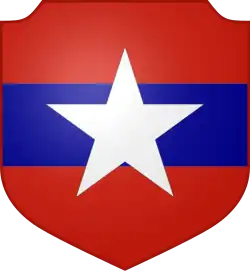 | |
| Founded | 1945 |
| Country |  Myanmar |
| Type | Army |
| Role | Ground warfare |
| Size | |
| Part of |  Myanmar Armed Forces |
| Nickname(s) | Tatmadaw (Kyi) |
| Motto(s) |
|
| Colours |
|
| Anniversaries | 27 March 1945 |
| Engagements |
|
| Commanders | |
| Commander-in-Chief (Army) |  Senior General Min Aung Hlaing |
| Deputy Commander-in-Chief of Defence Services and Commander-in-Chief (Army) |   Vice-Senior General Soe Win |
| Spokesperson of the Commander-in-Chief (Army) | 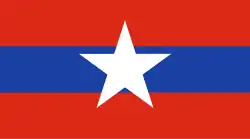 Major General Zaw Min Tun |
| Notable commanders |
|
| Insignia | |
| Flag of the Myanmar Army | |
| Shoulder sleeve of Office of the Commander-in-Chief of Army | |
| Shoulder sleeve infantry and light infantry |  |
| Former flag (1948–1994) | 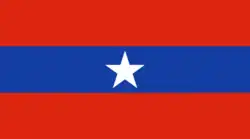 |
The Myanmar Army (Burmese: တပ်မတော်(ကြည်း); pronounced [taʔmədɔ̀ tɕí]) is the largest branch of the Tatmadaw, the armed forces of Myanmar. It is responsible for land-based military operations. The Myanmar Army is the second largest active military force in Southeast Asia after the People's Army of Vietnam. Since 1948, it has fought against ethnic and political insurgents in Myanmar.[17]
The army is led by the Commander-in-Chief of Myanmar Army, currently Vice-Senior General Soe Win. The overall head of the armed forces is Senior General Min Aung Hlaing, who holds the rank of Senior General, which is similar to a field marshal. Major General Zaw Min Tun is the official spokesperson for the army.[18]
In 2011, the Myanmar Army introduced a military draft. All men aged 18–35 and women aged 18–27 can serve two years as enlisted soldiers during national emergencies. Professionals may serve up to three years as officers, with age limits of 45 for men and 35 for women. Military spending in 2011 was about 1.8 trillion kyat (US$2 billion), or 23.6% of the national budget.[19]
History
British and Japanese rule
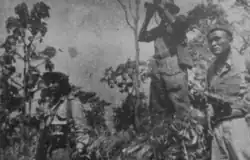
In the 1930s, several Burmese organizations, including Dobama Asiayone, wanted independence from British rule. Thakin Aung San and 29 others, known as the “30 Comrades”, trained under the Japanese army. They formed the Burmese Independence Army (BIA), which later became the Burmese Defense Army (BDA). After World War II, they briefly became the Patriotic Burmese Force (PBF) under British control.
Post-Independence Era
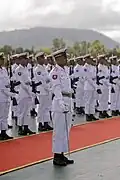
When Myanmar gained independence in 1948, the army was small and divided. It was reorganized by merging the British Burma Army and Patriotic Burmese Forces. Early units were often based on ethnicity, including battalions for Bamar, Karen, Kachin, Chin, and Gurkha soldiers.
Organisation
The Myanmar Army is the largest branch of the military and receives most of the defense budget. Its basic unit is the battalion (Tat Yinn), which includes:
• Headquarters company (medical, transport, logistics, signals)
• Four rifle companies (Tat Khwe), each with three platoons (Tat Su)
•Heavy weapons company (mortars, machine guns, recoilless guns)
Battalions are led by lieutenant colonels, with majors as deputies. Light infantry battalions are smaller, usually around 500 soldiers.
Expansion and Modernisation
Since 1988, the army has increased its personnel, weapons, and mobility. It added armoured and artillery units, including T-69II tanks and armoured personnel carriers. The army became stronger in conventional warfare and jungle operations.
Bureaus of Special Operations (BSO)
The BSO are high-level army units like field armies. They coordinate multiple regional commands. The first BSO was formed in 1978. Currently, there are six BSOs overseeing different regions of Myanmar.
Regional Military Commands
The army is organized into Regional Military Commands (RMCs), similar to corps in Western armies. Each RMC manages infantry, light infantry, artillery, and armoured units.[20] Examples of RMCs in 2010 include:
| Regional Military Command (RMC) | Badge | States & Regions | Headquarters | Strength[21] | Notes |
|---|---|---|---|---|---|
| Northern Command
(မြောက်ပိုင်းတိုင်းစစ်ဌာနချုပ်) |
 |
Kachin State | Myitkyina | 46 Infantry Battalions plus an additional 3 Battalions as Border Guard Force units | |
| Northeastern Command
(အရှေ့မြောက်ပိုင်းတိုင်းစစ်ဌာနချုပ်) |
 |
Northern Shan State | Lashio | 45 Infantry Battalions | Captured by the Myanmar National Democratic Alliance Army on 3 August 2024. With ceasefire deal brokered by China, MNDAA forces retreated and Tatmadaw forces re-entered into city in 17 April.[22] |
| Eastern Command
(အရှေ့ပိုင်းတိုင်းစစ်ဌာနချုပ်) |
 |
Southern Shan State and Kayah State | Taunggyi | 35 Infantry Battalions plus an additional 2 Battalions as Border Guard Force units |
|
| Southeastern Command
(အရှေ့တောင်တိုင်းစစ်ဌာနချုပ်) |
 |
Mon State and Kayin State | Mawlamyine | 56 Infantry Battalions plus an additional 13 Battalions as Border Guard Force units | |
| Southern Command
(တောင်ပိုင်းတိုင်းစစ်ဌာနချုပ်) |
 |
Bago and Magwe Regions | Toungoo | 32 Infantry Battalions | |
| Western Command
(အနောက်ပိုင်းတိုင်းစစ်ဌာနချုပ်) |
 |
Rakhine State and Chin State | Ann | 43 Infantry Battalions | Captured by the Arakan Army on 20 December 2024. 33 Battalions have been captured by the National Resistance by the end of 2024 |
| Southwestern Command
(အနောက်တောင်တိုင်းစစ်ဌာနချုပ်) |
 |
Ayeyarwady Region | Pathein | 11 Infantry Battalions | |
| Northwestern Command
(အနောက်မြောက်တိုင်းစစ်ဌာနချုပ်) |
 |
Sagaing Region | Monywa | 49 Infantry Battalions | |
| Yangon Command
(ရန်ကုန်တိုင်းစစ်ဌာနချုပ်) |
 |
Yangon Region | Mayangone Township-Kone-Myint-Thar | 41 Infantry Battalions | |
| Coastal Region Command
(ကမ်းရိုးတန်းတိုင်းစစ်ဌာနချုပ်) |
 |
Tanintharyi Region | Myeik | 45 Infantry Battalions | |
| Triangle Region Command
(တြိဂံတိုင်းစစ်ဌာနချုပ်) |
 |
Eastern Shan State | Kyaingtong (Kengtung) | 40 Infantry Battalions plus an additional 4 Battalions as Border Guard Force units | |
| Central Command
(အလယ်ပိုင်းတိုင်းစစ်ဌာနချုပ်) |
 |
Mandalay Region | Mandalay | 25 Infantry Battalions | |
| Naypyidaw Command
(နေပြည်တော်တိုင်းစစ်ဌာနချုပ်) |
 |
Naypyidaw | Pyinmana | Formed in 2006 – 18 Infantry Battalions | |
| Eastern Central Command
(အရှေ့အလယ်ပိုင်းတိုင်းစစ်ဌာနချုပ်) |
 |
Middle Shan State | Kholam[23] | Formed in 2011 – 31 Infantry Battalions |
Commanders of Regional Military Commands
| Regional Military Command (RMC) | Established | First Commander | Current Commander | Notes |
|---|---|---|---|---|
| Eastern Command | 1961 | Brigadier General San Yu | Major General Zaw Min Latt | Initially in 1961, San Yu was appointed as Commander of Eastern Command but was moved to NW Command and replaced with Col. Maung Shwe then. |
| Southeastern Command | 1961 | Brigadier General Sein Win | Brigadier General Soe Min | In 1961 when SE Command was formed, Sein Win was transferred from former Southern Command but was moved to Central Command and replaced with Thaung Kyi then. |
| Central Command | 1961 | Colonel Thaung Kyi | Major General Kyi Khaing | Original NW Command based at Mandalay was renamed Central Command in March 1990 and original Central Command was renamed Southern Command |
| Northwestern Command | 1961 | Brigadier General Kyaw Min | Major General Than Htike | Southern part of original Northwestern Command in Mandalay was renamed Central Command in March 1990 and northern part of original NW Command was renamed NW Command in 1990. |
| Southwestern Command | 1961 | Colonel Kyi Maung | Brigadier General Wai Linn | Kyi Maung was sacked in 1963 and was imprisoned a few times. He became Deputy Chairman of NLD in the 1990s. |
| Yangon Command | 1969 | Colonel Thura Kyaw Htin | Major General Zaw Hein | Formed as Naypyidaw Command in 1963 with deputy commander and some staff officers from Central Command. Reformed and renamed Yangon Command on 1 June 1969. |
| Western Command | 1969 | Colonel Hla Tun | Brigadier General Kyaw Swar Oo | |
| Northeastern Command | 1972 | Colonel Aye Ko | Major General Soe Tint | |
| Northern Command | 1947 | Brigadier Ne Win | Brigadier General Aung Zaw Htwe | Original Northern Command was divided into Eastern Command and NW Command in 1961. Current Northern Command was formed in 1969 as a part of reorganisation and is formed northern part of previous NW Command |
| Southern Command | 1947 | Brigadier Saw Kya Doe | Brigadier General Kyi Theik | Original Southern Command in Mandalay was renamed Central Command in March 1990 |
| Triangle Region Command | 1996 | Brigadier General Thein Sein | Major General Aung Khaing Win | Thein Sein later became Prime Minister and elected as president in 2011 |
| Coastal Region Command | 1996 | Brigadier General Thiha Thura Thura Sit Maung | Major General Soe Min | |
| Naypyidaw Command | 2005 | Brigadier Wei Lwin | Major General Saw Than Hlaing | |
| Eastern Central Command | 2011 | Brigadier Mya Tun Oo | Major General Myo Min Tun |
Each RMC reports to a Bureau of Special Operations for coordination.[24]
Training
Defence academies & colleges
| Academies | Locations |
|---|---|
| National Defence College – NDC | Naypyidaw (နေပြည်တော်) |
| Defence Services Command and General Staff College – DSCGSC | Kalaw (ကလော) |
| Defence Services Academy – DSA | Pyin U Lwin (ပြင်ဦးလွင်) |
| Defence Services Technological Academy – DSTA | Pyin U Lwin (ပြင်ဦးလွင်) |
| Defence Services Medical Academy – DSMA | Yangon (ရန်ကုန်) |
| Military Institute of Nursing and Paramedical Science – MINP | Yangon (ရန်ကုန်) |
| Military Computer And Technological Institute – MCTI (Former Military Technological College-MTC, Pyin Oo Lwin) | Hopong (ဟိုပုံး) |
Training schools
| Training Schools | Locations |
|---|---|
| Officer Training School (OTS) | Bahtoo Station |
| Basic Army Combat Training School | Bahtoo Station |
| 1st Army Combat Forces School | Bahtoo Station |
| 2nd Army Combat Forces School | Fort Bayinnaung |
| Artillery Training School | Mone Tai |
| Armour Training School | Maing Maw |
| Electronic Warfare School | Pyin U Lwin |
| Engineer School | Pyin U Lwin |
| Information Warfare School | Yangon |
| Air, Land and Paratroops Training School | Hmawbi |
| Special Forces School | Fort Ye Mon |
Order of battle
- 14 × Regional Military Commands (RMC) organised in 6 Bureau of Special Operations (BSO)
- 6 × Regional Operations Commands (ROC)
- 20 × Military Operations Commands (MOC) including 1 × Airborne Infantry Division
- 10 × Light Infantry Divisions (LID)
- 5 × Armoured Operation Commands (AOC) (Each with 6 Tank Battalions and 4 Armoured Infantry Battalions (IFVs/APCs).)
- 10 × Artillery Operation Commands (AOC) (with of 113 Field Artillery Battalions)
- 9 × Air Defence Operation Commands
- 1 × Missile Operation Commands
- 40+ × Military Affairs Security Companies (MAS Units replaces former Military Intelligence Units after the disbandment of the Directorate of Defence Service Intelligence (DDSI))
- 45 × Advanced Signal Battalions
- 54 × Field Engineer Battalions
- 4 × Armoured Engineer Battalions
- 14 × Medical Battalions[25]
Related pages
Notes
- ↑ This representative emblem is also the Shoulder Sleeve Insignia (SSI) of the office of Commander-in-Chief of Myanmar Army.
References
- ↑ "Official site of Commander-in-Chief's Office of the Myanmar Armed Forces". Archived from the original on 14 June 2022. Retrieved 17 June 2022.
- ↑ "2024 Myanmar Military Strength". Global Fire Power. Retrieved 17 September 2024.
- ↑ "2024 Myanmar Military Strength". Global Fire Power. Retrieved 17 September 2024.
- ↑ "2024 Myanmar Military Strength". Global Fire Power. Retrieved 17 September 2024.
- 1 2 "Border Guard Force Scheme". Myanmar Peace Monitor. 11 January 2013. Archived from the original on 21 August 2020. Retrieved 8 August 2020.
- ↑ Maung Zaw (18 March 2015). "Taint of 1988 still lingers for rebooted student militia". The Myanmar Times. Archived from the original on 19 February 2021. Retrieved 8 August 2020.
- ↑ "Aung San". Britannica. 9 February 2025.
- ↑ "Burmese Leader Ne Win". The Washington Post. 6 December 2002.
- ↑ "The Man Behind the Burma Independence Army". The Irrawaddy. 27 March 2022.
- ↑ "The Forgotten General of Burma's Army". The Irrawaddy. 12 November 2013.
- ↑ "Looking inside the Burmese Military". JSTOR. 2008.
- ↑ "Meet the generals who ruled Myanmar". The Business Standard. 1 February 2021.
- ↑ "ပြည်သူချစ်တဲ့ တပ်ချုပ် (သို့) သူရ ဦးတင်ဦး". YouTube. June 2024.
- ↑ "သူရဦးတင်ဦး - ပြည်သူလွမ်းနေရမယ့် ရှားရှားပါးပါးကာချုပ်ဟောင်း- DVB News". YouTube. 3 June 2024.
- ↑ "On the visit of H.E. Vice Senior General Maung Aye to India". Ministry of External Affairs (India). 2 April 2008.
- ↑ "Vice-Senior General Soe Win comforts Tatmadaw members wounded in serving State defence and security duties, meets departmental officials in Kayin and Mon states". Global New Light of Myanmar. 30 April 2024.
- ↑ Online, Asia Time. "Asia Times Online :: Southeast Asia news - Myanmar's losing military strategy". www.atimes.com. Archived from the original on 13 May 2011. Retrieved 19 October 2025.
- ↑ "AA captures Mel Taung tactical operation command in Ann". Burma News International. Retrieved 19 October 2025.
- ↑ "Myanmar allocates 1/4 of new budget to military - BusinessWeek". www.businessweek.com. Retrieved 19 October 2025.
- ↑ "Myanmar - Army Regional Military Commands". www.globalsecurity.org. Retrieved 19 October 2025.
- ↑ Cite error: The named reference
:1was used but no text was provided for refs named (see the help page). - ↑ Irrawaddy, The (19 April 2025). "MNDAA Hands Lashio Back to Myanmar Junta". The Irrawaddy. Retrieved 2 June 2025.
- ↑ "MEETING WITH TATMADAWMEN: SENIOR GENERAL HELD MEETINGS AT MONG PING AND KHO LAM". 18 February 2022.
- ↑ "How business finances the crimes of the Myanmar military: MEHL Files | Justice For Myanmar". www.justiceformyanmar.org. Retrieved 19 October 2025.
- ↑ Cite error: The named reference
Myoe, Maung Aungwas used but no text was provided for refs named (see the help page).
Further reading
- Samuel Blythe, 'Army conditions leave Myanmar under strength,' Jane's Defence Weekly, Vol. 43, Issue 14, 5 April 2006, 12.
- Beech, Hannah (4 April 2021). "Inside Myanmar's Army: 'They See Protesters as Criminals'". The New York Times. Retrieved 11 April 2021.
Other websites
- Role of officers in Burmese Army (Part 1) Archived 25 February 2012 at the Wayback Machine Bo Htet Min, Mizzima, 23 January 2010