List of Gupta emperors
| Maharajadhiraja of the Gupta Empire | |
|---|---|
Imperial | |
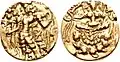 Last to reign Vishnugupta 540 CE – 550 CE | |
| Details | |
| Style | His Majesty |
| First monarch | Chandragupta I (as the successor to the King of Magadha) |
| Last monarch | Vishnugupta |
| Formation | 319 CE 1706–1707 years ago |
| Abolition | 550 CE 1475–1476 years ago |
| Residence | |
| Appointer | Hereditary |
| Pretender(s) | Later Gupta dynasty |
The Gupta Empire (around 319–550 CE) was an ancient Indian Hindu empire.[1] It was established by Sri Gupta in the late 3rd century CE, but Chandragupta I is considered to be the true founder. This empire lasted until 550 CE.
The empire declined because of attacks by the Huns, disagreements within the royal family, high taxes, local uprisings, and the weakening of central power.[2] The Gupta emperors commonly used Maharajadhiraja as their royal title.[3]
Family tree
| Gupta dynasty | |||||||||||||||||||||||||||||||||||||||||||||||||||||||||||||||||||||||||||||||||||||||||||||||||||||||||||||||||||||||||||||||||||||||||||||||||||||||||||||||||||||||||||||||||||||||||||||||||||||||||||||||||||||||||||||||||||||||||||||||||||||||||||||||||||||||||||||||||||||||||||||||||||||||||||||||||||||||||||||||||||||||||||||||||||||||||||||||||||||||||||||||||||||||||||||||||||||||||||||||||||||||||||||||||||||||||||||||||||||||||||||||||||||||||||||||||||||||||||||||||||||||||||||||||||||||||||||||||||||||||||||||||||||||||||||||||||||||||||||||||||||||||||||||||||||||||||||||||||||||||||||||||||||||||||||||||||||||||||||||||||||||||||||||||||||||||||||||||||||||||||||||||||||||||||||||||||||||||||||||||||||||||||||||||||||||||||||||||||||||||||||||||||||||||||||||||||||||||||||||||||||||||||||||||||||||||||||||||||||||||||||||||||||||||||||||||||||||||||||||||||||||||||||||||||||||||||||||||||||||||||||||||||||||||||||||||||||||||||||||||||||||||||||||||||||||||||||||||||||||
|---|---|---|---|---|---|---|---|---|---|---|---|---|---|---|---|---|---|---|---|---|---|---|---|---|---|---|---|---|---|---|---|---|---|---|---|---|---|---|---|---|---|---|---|---|---|---|---|---|---|---|---|---|---|---|---|---|---|---|---|---|---|---|---|---|---|---|---|---|---|---|---|---|---|---|---|---|---|---|---|---|---|---|---|---|---|---|---|---|---|---|---|---|---|---|---|---|---|---|---|---|---|---|---|---|---|---|---|---|---|---|---|---|---|---|---|---|---|---|---|---|---|---|---|---|---|---|---|---|---|---|---|---|---|---|---|---|---|---|---|---|---|---|---|---|---|---|---|---|---|---|---|---|---|---|---|---|---|---|---|---|---|---|---|---|---|---|---|---|---|---|---|---|---|---|---|---|---|---|---|---|---|---|---|---|---|---|---|---|---|---|---|---|---|---|---|---|---|---|---|---|---|---|---|---|---|---|---|---|---|---|---|---|---|---|---|---|---|---|---|---|---|---|---|---|---|---|---|---|---|---|---|---|---|---|---|---|---|---|---|---|---|---|---|---|---|---|---|---|---|---|---|---|---|---|---|---|---|---|---|---|---|---|---|---|---|---|---|---|---|---|---|---|---|---|---|---|---|---|---|---|---|---|---|---|---|---|---|---|---|---|---|---|---|---|---|---|---|---|---|---|---|---|---|---|---|---|---|---|---|---|---|---|---|---|---|---|---|---|---|---|---|---|---|---|---|---|---|---|---|---|---|---|---|---|---|---|---|---|---|---|---|---|---|---|---|---|---|---|---|---|---|---|---|---|---|---|---|---|---|---|---|---|---|---|---|---|---|---|---|---|---|---|---|---|---|---|---|---|---|---|---|---|---|---|---|---|---|---|---|---|---|---|---|---|---|---|---|---|---|---|---|---|---|---|---|---|---|---|---|---|---|---|---|---|---|---|---|---|---|---|---|---|---|---|---|---|---|---|---|---|---|---|---|---|---|---|---|---|---|---|---|---|---|---|---|---|---|---|---|---|---|---|---|---|---|---|---|---|---|---|---|---|---|---|---|---|---|---|---|---|---|---|---|---|---|---|---|---|---|---|---|---|---|---|---|---|---|---|---|---|---|---|---|---|---|---|---|---|---|---|---|---|---|---|---|---|---|---|---|---|---|---|---|---|---|---|---|---|---|---|---|---|---|---|---|---|---|---|---|---|---|---|---|---|---|---|---|---|---|---|---|---|---|---|---|---|---|---|---|---|---|---|---|---|---|---|---|---|---|---|---|---|---|---|---|---|---|---|---|---|---|---|---|---|---|---|---|---|---|---|---|---|---|---|---|---|---|---|---|---|---|---|---|---|---|---|---|---|---|---|---|---|---|---|---|---|---|---|---|---|---|---|---|---|---|---|---|---|---|---|---|---|---|---|---|---|---|---|---|---|---|---|---|---|---|---|---|---|---|---|---|---|---|---|---|---|---|---|---|---|---|---|---|---|---|---|---|---|---|---|---|---|---|---|---|---|---|---|---|---|---|---|---|---|---|---|---|---|---|---|---|---|---|---|---|---|---|---|---|---|---|---|---|---|---|---|---|---|---|---|---|---|---|---|---|---|---|---|---|---|---|---|---|---|---|---|---|---|---|---|---|---|---|---|---|---|---|---|---|---|---|---|---|---|---|---|---|---|---|---|---|---|---|---|---|---|---|---|---|---|---|---|---|---|---|---|---|---|---|---|---|---|---|---|---|---|---|---|---|---|---|---|---|---|---|---|---|---|---|---|---|---|---|---|---|---|---|---|---|---|---|---|---|---|---|---|---|---|---|---|---|---|---|---|---|---|---|---|---|---|---|---|---|---|---|---|---|---|---|---|---|---|---|---|---|---|---|---|---|---|---|---|---|---|---|---|---|---|---|---|---|---|---|---|---|---|---|---|---|---|---|---|---|---|---|---|---|---|---|---|---|---|---|---|---|---|---|---|---|---|---|---|---|---|---|---|---|---|---|---|---|---|---|---|---|---|---|---|---|---|---|---|---|---|---|---|---|---|---|---|---|---|---|---|---|---|---|---|---|---|---|---|---|---|---|---|---|---|---|---|---|---|---|---|---|---|---|---|---|---|---|---|---|---|---|---|---|---|---|---|---|---|---|---|---|---|---|---|---|---|---|---|---|---|---|---|---|---|---|---|---|---|---|---|---|---|---|---|---|---|---|---|---|---|---|---|---|---|---|---|---|---|---|---|---|---|---|---|---|---|---|---|---|---|---|---|---|---|---|
| |||||||||||||||||||||||||||||||||||||||||||||||||||||||||||||||||||||||||||||||||||||||||||||||||||||||||||||||||||||||||||||||||||||||||||||||||||||||||||||||||||||||||||||||||||||||||||||||||||||||||||||||||||||||||||||||||||||||||||||||||||||||||||||||||||||||||||||||||||||||||||||||||||||||||||||||||||||||||||||||||||||||||||||||||||||||||||||||||||||||||||||||||||||||||||||||||||||||||||||||||||||||||||||||||||||||||||||||||||||||||||||||||||||||||||||||||||||||||||||||||||||||||||||||||||||||||||||||||||||||||||||||||||||||||||||||||||||||||||||||||||||||||||||||||||||||||||||||||||||||||||||||||||||||||||||||||||||||||||||||||||||||||||||||||||||||||||||||||||||||||||||||||||||||||||||||||||||||||||||||||||||||||||||||||||||||||||||||||||||||||||||||||||||||||||||||||||||||||||||||||||||||||||||||||||||||||||||||||||||||||||||||||||||||||||||||||||||||||||||||||||||||||||||||||||||||||||||||||||||||||||||||||||||||||||||||||||||||||||||||||||||||||||||||||||||||||||||||||||||||
List of rulers
| Ruler | Reign (CE) | Notes | |
|---|---|---|---|
| Sri-Gupta I | 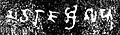 | c. late 3rd century CE | Founder of the dynasty. |
| Ghatotkacha | 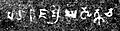 | 280/290–319 CE | Second king of Gupta Dynasty |
| Chandra-Gupta I | 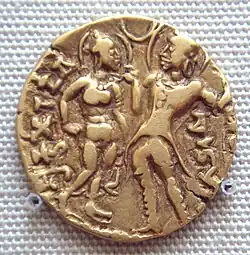 | 319–335 CE | His title Maharajadhiraja ("king of great kings") suggests that he was the first emperor of the dynasty. It is not certain how he turned his small ancestral kingdom into an empire, although a widely accepted theory among modern historians is that his marriage to Licchavi princess Kumaradevi helped him extend his political power. |
| Samudra-Gupta | 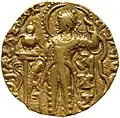 | 335–375 CE | Defeated several kings of northern India, and annexed their territories to his empire. He also marched along the south-eastern coast of India, advancing as far as the Pallava kingdom. In addition, he subjugated several frontier kingdoms and tribal oligarchies. His empire extended from Ravi River in the west to the Brahmaputra River in the east, and from the Himalayan foothills in the north to central India in the south-west; several rulers along the south-eastern coast were his tributaries. |
| Kacha | 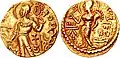 | mid 4th century CE | Rival brother/king, possibly an usurper, there are coins who attest him as ruler; possibly identical with Samudra-Gupta. |
| Rama-Gupta | |||
| Chandra-Gupta II Vikramaditya | 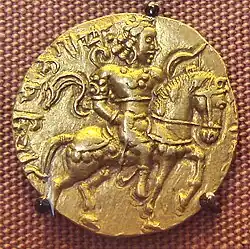 | 375–415 CE | Continued the expansionist policy of his father Samudragupta: historical evidence suggests that he defeated the Western Kshatrapas, and extended the Gupta empire from the Indus River in the west to the Bengal region in the east, and from the Himalayan foothills in the north to the Narmada River in the south. |
| Kumara-Gupta I | 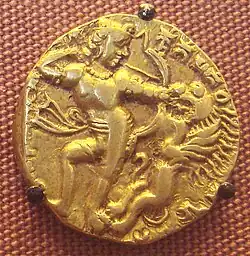 | 415–455 CE | He seems to have maintained control of his inherited territory, which extended from Gujarat in the west to Bengal region in the east. |
| Skanda-Gupta | 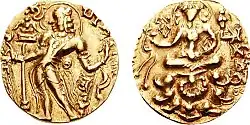 | 455–467 CE | It is stated that he restored the fallen fortunes of the Gupta family, which has led to suggestions that during his predecessor's last years, the Empire may have suffered reverses, possibly against the Pushyamitras or the Hunas. He is generally considered the last of the great Gupta Emperors. |
| Puru-Gupta | 467–473 CE | ||
| Kumara-Gupta II Kramaditya | 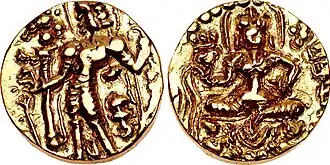 | 473–476 CE | |
| Buddha-Gupta |  | 476–495 CE | He had close ties with the rulers of Kannauj and together they sought to run the Alchon Huns (Hunas) out of the fertile plains of Northern India. |
| Narasimha-Gupta Baladitya | 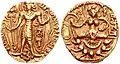 | 495–530 CE | |
| Kumara-Gupta III | 530–540 CE | ||
| Vishnu-Gupta Candraditya | | 540–550 CE | |
References
- ↑ Jha, D.N. (2002). Ancient India in Historical Outline. Delhi: Manohar Publishers and Distributors. pp. 149–73. ISBN 978-81-7304-285-0.
- ↑ Jha, Dwijendra Narayan (2014). Ancient India: in historical outline (Reprinted ed.). New Delhi: Manohar Publishers & Distributors. pp. 73–149. ISBN 978-81-7304-285-0.
- ↑ Shastri, Ajay Mitra (1995). Inscriptions of the Śarabhapurīyas, Pāṇḍuvaṁśins, and Somavaṁśins. Indian Council of Historical Research. New Delhi: Indian Council of Historical Research and Motilal Banarsidass, Delhi. p. 107. ISBN 978-81-208-0637-5.