Democratic Federal Yugoslavia
Democratic Federal Yugoslavia Demokratska Federativna Jugoslavija Демократска Федеративна Југославија Demokratična federativna Jugoslavija | |||||||||||||||||||||||||
|---|---|---|---|---|---|---|---|---|---|---|---|---|---|---|---|---|---|---|---|---|---|---|---|---|---|
| 1943–1945 | |||||||||||||||||||||||||
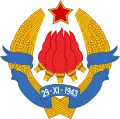 Emblem
| |||||||||||||||||||||||||
| Anthem: "Hej, Slaveni" | |||||||||||||||||||||||||
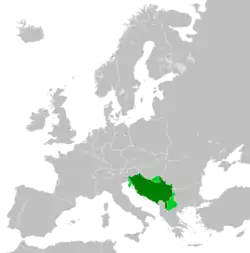 Democratic Federal Yugoslavia in 1945 prior to the Paris Peace Treaties | |||||||||||||||||||||||||
| Capital and largest city | Belgrade | ||||||||||||||||||||||||
| Official languages | Serbo-Croatian Slovene Macedonian[1][2] | ||||||||||||||||||||||||
| Official script | Cyrillic • Latin | ||||||||||||||||||||||||
| Demonym(s) | Yugoslav | ||||||||||||||||||||||||
| Government | Federal constitutional monarchy under a provisional government | ||||||||||||||||||||||||
| Chairman of the Presidium of the AVNOJ | |||||||||||||||||||||||||
• 1943–1945 | Ivan Ribar | ||||||||||||||||||||||||
| King | |||||||||||||||||||||||||
• 1943–1945 | Peter II | ||||||||||||||||||||||||
| Prime Minister | |||||||||||||||||||||||||
• 1943–1945 | Josip Broz Tito | ||||||||||||||||||||||||
| Legislature | Temporary National Assembly | ||||||||||||||||||||||||
| Historical era | World War II | ||||||||||||||||||||||||
• Second Session of the AVNOJ | 29 November 1943 | ||||||||||||||||||||||||
• Tito–Šubašić Agreement | 16 June 1944 | ||||||||||||||||||||||||
| 7 March 1945 | |||||||||||||||||||||||||
• Elections | 11 November 1945 | ||||||||||||||||||||||||
| 29 November 1945 | |||||||||||||||||||||||||
| Area | |||||||||||||||||||||||||
• Total | 255,804 km2 (98,766 sq mi) | ||||||||||||||||||||||||
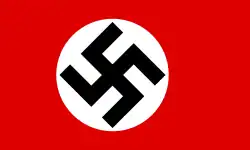
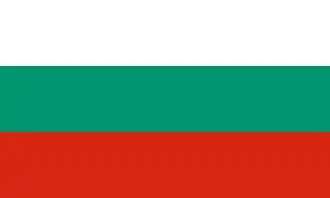
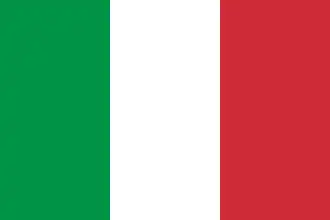
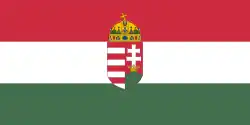
| Currency | Various (1943–1944): Serbian dinar, NDH kuna, Bulgarian lev, Italian lira, Reichsmark (1944–1945): Yugoslav dinar | ||||||||||||||||||||||||
| Driving side | right | ||||||||||||||||||||||||
| |||||||||||||||||||||||||
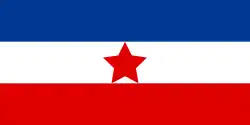

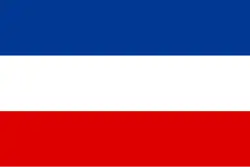
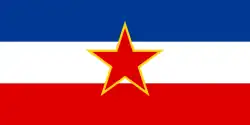
The Democratic Federal Yugoslavia, was a country in south-east Europe during World War II that existed from 1943–1945.
History
In November 1943, the partisans in Yugoslavia created the Democratic Federal Yugoslavia in The Second World War, against Germany and the Axis powers.
In September - November 1944, the Soviets crossed the Yugoslav border to help the partisans liberate Yugoslavia, the partisans and soviets liberated Belgrade in October,[3][4]
In March 1945, a provisional government was created in Belgrade, the capital city.
The partisans would continue to liberate the country until May 1945, in which Germany would surrender, ending World War II for Yugoslavia.
In November 1945, the Federal People's Republic of Yugoslavia was formed.
Leaders
- Peter II (as king) (de jure)
- Josip Broz Tito (as prime minister) (de facto)
References
- ↑ These were the languages specified for the Emblem of Yugoslavia on 17 February 1944.
- ↑ Tomasz Kamusella. The Politics of Language and Nationalism in Modern Central Europe. Palgrave Macmillan, 2008. Pp. 228, 297.
- ↑ World War Two (2023-09-30), Week 266 - The End of Market Garden - WW2 - September 30, 1944, retrieved 2024-07-01
- ↑ World War Two (2023-10-21), Week 269 - SS Commando Coup in Hungary - WW2 - October 21, 1944, retrieved 2024-07-01