Yumsharol Jagoi
Yumsharol Jagoi (ꯌꯨꯝꯁꯥꯔꯣꯜ ꯖꯒꯣꯏ),[a] also known as Yumsharon Jagoi (ꯌꯨꯝꯁꯥꯔꯣꯟ ꯖꯒꯣꯏ),[b] is a traditional dance form of the Meitei people from Manipur, India.[1][2] This dance shows the process of building a house using special hand movements known as Yumsharol Khutthek (ꯌꯨꯝꯁꯥꯔꯣꯜ ꯈꯨꯠꯊꯦꯛ), which means "hand gestures of house construction." These gestures are used to represent different steps in making a house.[3]
The dance is usually performed along with the Yumsharol song (ꯌꯨꯝꯁꯥꯔꯣꯜ ꯏꯁꯩ) and the music of a traditional instrument called the pena (musical instrument). Yumsharol Jagoi is an important part of Lai Haraoba (ꯂꯥꯏ ꯍꯔꯥꯎꯕ), a festival that celebrates the Meitei gods and the creation of the world according to Meitei religion and culture. The performance is both spiritual and artistic, showing respect for traditional ways of life and honoring the skills of house building as part of community life in Meitei civilization.[4][5]
Hand gestures
| Illustration | Names of the Khut-thek gestures | Romanization | Usage(s)/Application(s) | Note(s) |
|---|---|---|---|---|
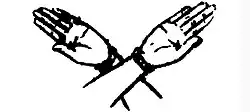 |
ꯆꯤꯂꯦꯜ ꯂꯥꯡꯌꯦꯡ (ꯆꯤꯔꯦꯜ ꯂꯥꯡꯌꯦꯡ) ꯈꯨꯠꯊꯦꯛ | Chilel Laang-yeng (Chirel Lang-yeng) | a gesture (Khut-thek) of installing holy horns (antlers) | [6] |
 |
ꯆꯨꯛ ꯌꯨꯡꯄ (ꯆꯨꯛ ꯌꯨꯡꯕ) ꯈꯨꯠꯊꯦꯛ | Chook Yungpa (Chuk Yungba) | a gesture (Khut-thek) of erecting a pole | |
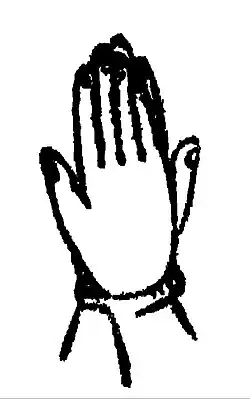 |
ꯏ ꯀꯨꯞꯄ ꯈꯨꯠꯊꯦꯛ | Ee Kuppa | a gesture (Khut-thek) of roofing a house | |
 |
ꯍꯨꯝꯇꯥꯡ ꯌꯥꯟꯄ (ꯍꯨꯝꯗꯥꯡ ꯌꯥꯟꯕ) ꯈꯨꯠꯊꯦꯛ | Humtaang Yaanpa (Humdaang Yaanba) | a gesture (Khut-thek) of building a house | |
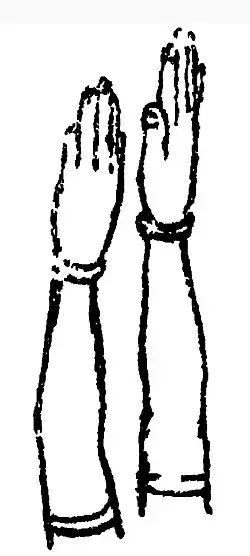 |
ꯈꯥꯡꯉꯥ ꯊꯥꯡꯀꯠꯄ (ꯈꯥꯡꯉꯥ ꯊꯥꯡꯒꯠꯄ) ꯈꯨꯠꯊꯦꯛ | Khaang-ngaa Thaang-katpa (Khang-nga Thaang-gatpa) | a gesture (Khut-thek) of building a house | |
 |
ꯈꯥꯡꯉꯦꯜ ꯍꯥꯞꯄ ꯈꯨꯠꯊꯦꯛ | Khaangel Haappa | a gesture (Khut-thek) of installing roof supporting pole | |
 |
ꯂꯩꯍꯨꯟ ꯖꯒꯣꯏ ꯈꯨꯠꯊꯦꯛ | Leihun Jagoi Khutthek | a gesture (Khut-thek) of building a house | |
 |
ꯂꯩꯃꯥꯏ ꯇꯩꯄ (ꯂꯩꯃꯥꯏ ꯇꯩꯕ) ꯈꯨꯠꯊꯦꯛ | Leimaai Teipa (Leimai Teiba) | a gesture (Khut-thek) of flooring | |
 |
ꯂꯩꯇꯦꯝ ꯀꯥꯌꯥꯠ ꯈꯨꯠꯊꯦꯛ | Leitem Kaayaat | a gesture (Khut-thek) of surfacing each room | |
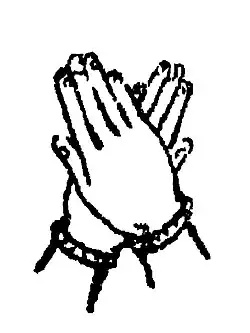 |
ꯄꯂꯤꯡ ꯍꯨꯟꯄ (ꯄꯔꯤꯡ ꯍꯨꯟꯕ) ꯈꯨꯠꯊꯦꯛ | Paling Hunpa (Paring Hunba) | a gesture (Khut-thek) of building a house | |
 |
ꯄꯂꯤꯡ ꯀꯣꯟꯄ (ꯄꯔꯤꯡ ꯀꯣꯟꯕ) ꯈꯨꯠꯊꯦꯛ | Paling Konpa (Paring Konba) | a gesture (Khut-thek) of building a house | |
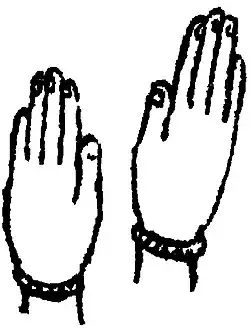 |
ꯄꯂꯤꯡ ꯂꯥꯡꯁꯥꯡ ꯍꯨꯟꯄ (ꯄꯔꯤꯡ ꯂꯥꯡꯁꯥꯡ ꯍꯨꯟꯕ) ꯈꯨꯠꯊꯦꯛ | Paling Laangsang Hunpa (Paring Langsang Hunba) | a gesture (Khut-thek) of building a house | |
 |
ꯐꯛꯂꯥꯡ ꯈꯥꯄ (ꯐꯛꯂꯥꯡ ꯈꯥꯕ) ꯈꯨꯠꯊꯦꯛ | Phaklaang Khaapa (Phaklang Khaaba) | a gesture (Khut-thek) of installing walls | |
 |
ꯐꯛꯂꯥꯡ ꯋꯥꯏ ꯇꯩꯄ (ꯐꯛꯂꯥꯡ ꯋꯥꯏ ꯇꯩꯕ) ꯈꯨꯠꯊꯦꯛ | Phaklaang Waai Teipa (Phaklang Wai Teiba) | a gesture (Khut-thek) of plastering a wall | |
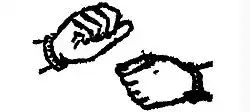 |
ꯁꯥꯏ ꯀꯛꯄ ꯈꯨꯠꯊꯦꯛ | Saai Kakpa | a gesture (Khut-thek) of lady changing hairstyle (denoting marriage) | |
 |
ꯎꯈꯨꯜ ꯇꯥꯟꯄ (ꯎꯈꯨꯜ ꯇꯥꯟꯕ) ꯈꯨꯠꯊꯦꯛ | Ukhul Taanpa (Ukhul Taanba) | a gesture (Khut-thek) of digging a pillar hole | |
 |
ꯎꯂꯥ ꯊꯥꯄ (ꯎꯔꯥ ꯊꯥꯕ) ꯈꯨꯠꯊꯦꯛ | Ulaa Thaapa (Uraa Thaaba) | a gesture (Khut-thek) of building a house | |
 |
ꯌꯨꯝꯄꯤꯂꯦꯜ ꯍꯥꯞꯄ (ꯌꯨꯝꯕꯤꯔꯦꯜ ꯍꯥꯞꯄ) ꯈꯨꯠꯊꯦꯛ | Yumpilel Haappa (Yumbirel Happa) | a gesture (Khut-thek) of installing main pillar |
Related pages
References
- ↑ derived from Ancient Meitei term "Yumshalol Chatkoi (ꯌꯨꯝꯁꯥꯂꯣꯜ ꯆꯠꯀꯣꯏ)"
- ↑ derived from Ancient Meitei term "Yumshalon Chatkoi (ꯌꯨꯝꯁꯥꯂꯣꯟ ꯆꯠꯀꯣꯏ)"
- ↑ Gopi Devi, Yumlembam. Glimpses of Manipuri Culture. 2019.
- ↑ Modern Practices in North East India: History, Culture, Representation. India: Taylor & Francis, 2017.
- ↑ Parratt, Saroj Nalini. The Religion of Manipur: Beliefs, Rituals, and Historical Development. India: Firma KLM, 1980.
- ↑ Vatsyayan, Kapila. A Study of Some Traditions of Performing Arts in Eastern India: Margi and Desi Polarities : Banikanta Kakati Memorial Lectures, 1976. India: Department of Publication, University of Gauhati, 1981.
- ↑ "YUMSHAROL DANCE STAGED". Archived from the original on 2025-06-22. Retrieved 2025-06-26.
- ↑ Kullachandra Singh, Ngariyambam (1963). Meitei Lai Haraoba (in Manipuri). India: Digital Library of India; Internet Archive.
{{cite book}}: CS1 maint: date and year (link)