Loiyumpa Silyel
 First page of the "Loiyumpa Silyel", stored in the Manipur University Library, digitalised by the Digital Library of India | |
| Country | Ancient Manipur - Medieval Manipur |
|---|---|
| Language | Meitei language (Manipuri language) |
| Subjects | law, rules and regulations, social system |
| Genre | Constitution |
| Published | 1110 CE |
| Publisher | King Loiyumba (Ancient Meitei: Loiyumpa) |
| It is an 11th-12th century written constitution of the Manipur kingdom. | |
The Loiyumpa Silyel (Modern Meitei: "Loiyumba Sinyen"), also termed as the Loyumpa Silyel (Modern Meitei: "Loyumba Sinyen") or the Loiyumpa Shilyel (Modern Meitei: "Loiyumba Shinyen") or the Loyumpa Shilyel (Modern Meitei: "Loyumba Shinyen") or the Loyamba Sinyen (Old Manipuri: Loyampa Sinyen), is an 11th-12th century written constitution, regulated in the Manipur kingdom during the regime of King Loiyumba (1074-1122 CE).[1] A promulgation of the proto-constitution in 429 CE by King Naophangba was reduced to a final format in 1110 CE.[2][3][4] Historically, it is the first written constitution,[5] and one of the well recorded antique manuscripts of the kingdom.[6][7] Its Constitutionalism was replaced by the Manipur State Constitution Act, 1947, that was functional until Manipur was merged into India on October 15, 1949.[8]
It includes the accounts of the distribution of the duties to the subjects of the king.[9][10] Its rules and regulations remains to be an authoritative work in the Meitei social system till the present day Manipur.[11]
Religious duties
The following is the list of Meitei families who were given the duties of serving particular pantheons of gods and goddesses of the ancient Meitei religion.
| Selected Families | Latin-Roman transliteration | Deities to be served | Latin-Roman transliteration |
|---|---|---|---|
| ꯍꯩꯔꯣꯝ | Heirom[12] | ꯃꯩꯔꯩꯃ | Meireima[12][13] |
| ꯏꯔꯣꯝ | Irom[14] | ꯈꯝꯂꯥꯡꯕ | Khamlangba[14] |
| ꯁꯣꯔꯦꯜꯁꯪꯕꯝ | Sorelsangbam | ꯁꯣꯔꯥꯔꯦꯟ | Soraren[15] |
| ꯁꯔꯥꯡ ꯂꯩꯁꯥꯡꯊꯦꯝ | Sharang Leishangthem | ꯂꯟꯃꯥꯕꯤ | Lanmabee[16] |
| ꯁꯔꯣꯠꯈꯥꯏꯕꯝ | Sharotkhaibam | ꯐꯧꯑꯣꯏꯕꯤ | Phouoibi[17] |
| ꯄꯣꯠꯁꯪꯕꯝ | Potshangbam | ꯁꯪꯂꯥꯡꯃꯩ (ꯀꯪꯂꯥ) | Shanglangmei (Kangla)[18] |
| ꯃꯣꯏꯔꯥꯡ ꯄꯨꯈ꯭ꯔꯝꯕꯝ | Moirang Pukhrambam | ꯀꯨꯠꯆꯨ (ꯋꯥꯌꯦꯟꯁꯪ) | Kutchu (Wayenshang)[19] |
| ꯁꯧꯕꯝ | Shoubam | ꯃꯋꯥꯎ ꯂꯩꯃ | Mawao Leima[20] |
| ꯍꯩꯁ꯭ꯅꯥꯝ | Heishnam | ꯄꯥꯟꯊꯣꯏꯕꯤ | Panthoibi[21] |
| ꯈꯣꯏꯁꯅꯥꯝ | Khoisanam | ꯄꯦꯇꯪꯉꯥ | Petangnga[22] |
| ꯇꯥꯏꯕꯪꯖꯝ | Taibangjam | ꯂꯥꯏꯈꯨꯔꯦꯝꯕꯤ | Laikhurembi[23] |
| ꯀꯣꯟꯊꯧꯖꯝ | Konthoujam | ꯍꯨꯏꯃꯨꯔꯩꯃ | Huimureima[24] |
| ꯑꯁꯥꯡꯕꯝ | Ashangbam | ꯂꯥꯏꯅꯥꯎꯇꯥꯕꯤ | Lainaotabi[25] |
| ꯆꯤꯡꯈꯥꯝ | Chingkham | ꯅꯨꯡꯊꯦꯜꯂꯩꯃ | Nugthelleima[26] |
| ꯑꯔꯥꯝꯕꯝ | Arambam | ꯁꯧꯕꯣꯟ ꯂꯩꯃ | Shoubon Leima[27] |
| ꯌꯦꯟꯈꯣꯝ ꯐꯤꯁꯥꯕꯝ | Yenkhom Phisabam | ꯑꯋꯥꯡꯕ (ꯂꯥꯏ ꯑꯋꯥꯡꯕ) | Awangba[28] |
| ꯂꯨꯋꯥꯡꯁꯪꯕꯝ | Luwangshangbam | ꯂꯨꯋꯥꯡ ꯆꯤꯡ | Luwang Ching (idolized)[29] |
| ꯁꯤꯅꯥꯝ ꯂꯥꯏꯁꯪꯕꯝ | Sinam Laishangbam* | ꯂꯥꯏꯅꯤꯡꯊꯧ | Lainingthou[30] |
| ꯃꯣꯏꯔꯥꯡꯊꯦꯝ ꯄꯨꯊꯦꯝ | Moirangthem Puthem* | ꯄꯨꯊꯤꯕ | Puthiba (idolized)[31] |
| ꯃꯪꯁꯥꯇꯥꯕꯝ | Mangsatabam | ꯄꯨꯔꯩꯔꯣꯝꯕ | Pureiromba[32] |
| ꯂꯪꯃꯥꯏꯊꯦꯝ | Langmaithem | ꯇꯦꯟꯂꯣꯡꯕ | Tenlongba[33] |
| ꯉꯔꯥꯡꯌꯥꯟꯄꯝ | Ngarangyanpam | ꯊꯣꯡꯉꯥꯛ | Thongak[34] |
| ꯅꯥꯀꯜꯕꯝ | Nakalbam | ꯆꯤꯡꯀꯣꯜ ꯅꯤꯡꯊꯧ | Chingkol Ningthou[35] |
| ꯈꯨꯔꯥꯏꯖꯝ | Khuraijam | ꯆꯤꯡꯕꯥꯜ ꯂꯩꯃ | Chingbal Leima[36] |
| ꯃꯩꯌꯦꯡꯕꯝ | Meiyengbam | ꯌꯥꯎꯔꯩꯕꯤ | Yaoreibi[37] |
| ꯂꯩꯁꯥꯡꯊꯦꯝ | Leishangthem* | ꯀꯧꯕꯔꯦꯜ | Koubarel[38] |
| ꯅꯤꯡꯊꯧꯖꯝ | Ningthoujam* | ꯅꯨꯃꯤꯠ ꯂꯩꯃ | Numit Leima[39] |
| ꯄꯨꯛꯀꯂꯕꯝ | Pukkalabam | ꯀꯧꯕ꯭ꯔꯨ | Koubru[40] |
| ꯆꯦꯡꯂꯩ ꯂꯥꯏꯁꯥꯡꯕꯝ | Chenglei Laishangbam* | ꯃꯥꯔꯖꯤꯡ | Marjing[41] |
| ꯃꯣꯏꯔꯥꯡꯊꯦꯝ | Moirangthem* | ꯃꯣꯏꯔꯥꯡ ꯐꯛꯇꯣꯝ ꯑꯔꯤꯕ | Moirang Phaktom Ariba[42] |
| ꯀꯥꯡꯄꯨꯆꯝ | Kangpucham | ꯍꯣꯡꯅꯦꯝꯌꯣꯏ ꯈꯨꯟꯖꯥꯎ | Hongnemyoi Khunjao[43] |
| ꯆꯤꯡꯈꯥꯜꯕꯝ | Chingkhalbam | ꯆꯤꯡꯉꯥ | Chinga[44] |
| ꯂꯣꯡꯖꯝ ꯐꯩꯔꯣꯏꯖꯝ | Longjam Pheiroijam | ꯂꯥꯡꯖꯤꯡ | Langjing[45] |
| ꯇꯦꯛꯆꯝ | Tekcham | ꯂꯥꯡꯉꯣꯜ | Langgol[46] |
| ꯅꯣꯡꯃꯥꯏꯊꯦꯝ | Nongmaithem | ꯅꯣꯡꯃꯥꯏꯆꯤꯡ (ꯂꯪꯃꯥꯏꯆꯤꯡ) | Nongmaiching (Langmaiching)[47] |
| ꯅꯤꯡꯊꯧꯖꯝ | Ningthoujam* | ꯆꯤꯡꯉꯥ ꯂꯩꯃ | Chinga Leima[48] |
| ꯍꯩꯊꯧ ꯈꯣꯡꯇꯦꯛꯆꯝ | Heithou Khongtekcham | ꯂꯥꯡꯆꯤꯡ ꯍꯤꯌꯥꯡꯊꯧ ꯂꯩꯃ | Langching Hiyangthou Leima[49] |
| ꯊꯥꯎꯄꯤꯆꯝ | Thaopicham | ꯌꯨꯝꯖꯥꯎ ꯂꯩꯃ | Yumjao Leima[50] |
According to the Loiyumpa Silyel Constitution,[51][52][53]
1. Heirom family worships Meireima.[51][52][53]
2. Irom family worships Khanglangba.[51][52][53]
3. Sorelsangbam family worships Shorarel (heaven).[51][52][53]
4. Sharang Leishangthem family worships Lammabee.[51][52][53]
5. Sharotkhaibam family worships Phouoibi (goddess for paddy).[51][52][53]
6. Potshangbam family worships Shanglang-mei (Kangla).[51][52][53]
7. Moirang Pukhrambam family worships Kutchu (Wayenshang).[51][52][53]
8. Shoubam family worships Mawao Leima.[51][52][53]
9. Heishnam family worships Panthoibi (most adored Meetei goddess).[51][52][53]
10. Khoisanam family worships Pet-angnga.[51][52][53]
11. Taibangjam family worships Laikhurembee.[51][52][53]
12. Konthoujam family worships Huimureima.[51][52][53]
13. Ashangbam family worships Lainaotabi.[51][52][53]
14. Chingkhwam family worships Nungthelleima.[51][52][53]
15. Arambam family worships Shoubonleima.[51][52][53]
16. Yenkhom Phisabam family worships Awangba (deity Lai-wangba).[51][52][53]
17. Luwangshangbam family worships Luwaang Ching.[51][52][53]
18. Sinam Laishangbam family worships Lainingthou.[51][52][53]
19. Moirangthem Puthem family worships Puthiba.[51][52][53]
20. Mangsatabam family worships Pureiromba.[51][52][53]
21. Langmaithem family worships Tenlongba.[51][52][53]
22. Ngarangyanpam family worships Thongak.[51][52][53]
23. Nakalbam family worships Chingkol-Ningthou.[51][52][53]
24. Khuraijam family worships Chingbal Leima.[51][52][53]
25. Meiyengbam family worships Yaoreibi.[51][52][53]
26. Leishangthem family worships Koubarel.[51][52][53]
27. Ningthoujam family worships Numitleima.[51][52][53]
28. Pukkalabam family worships Koubru.[51][52][53]
29. Chenglei-Laishangbam family worships Marjing.[51][52][53]
30. Moirangthem family worships Moirang Phaktom Ariba.[51][52][53]
31. Kangpucham family worships Hongnemyoi Khunjao.[51][52][53]
32. Chingkhalbam family worships Chinga.[51][52][53]
33. Longjam Pheiroijam family worships Langjing.[51][52][53]
34. Tekcham family worships Langgol.[51][52][53]
35. Nongmaithem family worships Langmaicheeng (Nongmaijing).[51][52][53]
36. Ningthoujam family worships Chinga Leima.[51][52][53]
37. Heithou and Khongtekcham families worship Langching Hiyangthou Leima.[51][52][53]
Family wise obligation of Maiba priesthood
According to the Loiyumpa Silyel Constitution,[51][52][53][54]
1. Asheibam family is responsible for attending to the cleansing of the monarch.[51][52][53][54]
2. Aram-bam family is responsible for taking care of the bathe.[51][52][53][54]
3. Toibicham family is responsible for playing the Tharaochi (Meetei musical instrument).[51][52][53][54]
4. Arupam (Arubam) family is responsible for maintaining cleanliness and purity.[51][52][53][54]
5. Aheibam family is responsible for making the Pukhamnati (plate with decorated rim).[51][52][53][54]
6. Loukham family is responsible for drawing the Meiba (Meetei device to produce fire).[51][52][53][54]
7. Maibathiyam family is responsible for throwing the Shingkhai (Meetei prognostication-device) and entering the trance of dream.[51][52][53][54]
8. Meihoubam family is responsible for igniting the fire.[51][52][53][54]
9. Meiphuwam family is responsible for blowing in the fire.[51][52][53][54]
10. Tokpam family is responsible for digging in the soil.[51][52][53][54]
11. Tokpuram (Tokpram) and Thangsabam families are responsible for piling up the earth.[51][52][53][54]
12. Naoroibam family is responsible for taking the baby in custody.[51][52][53][54]
13. Ngathem family is responsible for calling the Ngami (beckoning the fishes).[51][52][53][54]
14. Shingkhangpam family is responsible for fetching the dry wood fuels.[51][52][53][54]
15. Haomukpam family is responsible for making the phak (mattress for sitting).[51][52][53][54]
16. Khoirisungbam family is responsible for weaving the Khoiriphi (Meetei cloth).[51][52][53][54]
17. Khoiriyanpam family is responsible for severing the umbilical cord.[51][52][53][54]
18. Lairencham family is responsible for washing the black clothes.[51][52][53][54]
19. Thoupicham family is responsible for managing the plantain leaves.[51][52][53][54]
20. Leishaonbam family is responsible for making the boats.[51][52][53][54]
21. Yelwam family is responsible for taking in the hen.[51][52][53][54]
22. Nganukappam family is responsible for looking after the Nganu (duck).[51][52][53][54]
23. Khugolthem family is responsible for carrying back the hameng (goats).[51][52][53][54]
24. Okrambam family is responsible for taking back the Ok (pig).[51][52][53][54]
25. Waleppam (Wareppam) family is responsible for adoring the bamboo.[51][52][53][54]
26. Maibam family is responsible for invoking the Chupshaba (priest’s invocation for cessation of recurrent deaths).[51][52][53][54]
27. Ngangom family is responsible for throwing the Konyai (gold and silver device used by the priest).[51][52][53][54]
28. Yenkokpam family is responsible for descending the yerum (egg) to the earth (forecast device).[51][52][53][54]
29. Khumukcham family is responsible for taming the tiger.[51][52][53][54]
30. Khaidem family is responsible for supervising the body under cremation.[51][52][53][54]
31. Amakcham family is responsible for taking hold of the bow and arrow.[51][52][53][54]
32. Mangshatabam family is responsible for supervising the grave.[51][52][53][54]
33. Wanglenbam family is responsible for beating the drum.[51][52][53][54]
34. Kabrambam family is responsible for managing the Leishoupung (mount of aerated soil).[51][52][53][54]
35. Kontenakathang priest family is responsible for preparing the Chup for the deity.[51][52][53][54]
36. Shoukrakpam family is responsible for making the chaphuwalong (pot).[51][52][53][54]
37. Ngaseppam family is responsible for slicing the fishes.[51][52][53][54]
38. Thingnongchaorong priest family is responsible for worshipping the Lainingthouhanba.[51][52][53][54]
Duties of the Tampak Maiba groups (people's priests)
1. Khabalangthangchakaba Wamaiba group is responsible for idolizing the Naohal Ahalba (sylvan deity).[51][52][53][54]
2. Jagoiwa priest group is responsible for deifying the Koubarel.[51][52][53][54]
3. Langmei priest (Luwang Maiba) group is responsible for worshipping the Chakhaba.[51][52][53][54]
4. Thongnangkaipiya priest group is responsible for deifying the Muwaningthou.[51][52][53][54]
5. Khayoipariyang priest group is responsible for worshipping the Marjing.[51][52][53][54]
6. Loiyamsanggai priest group is responsible for glorifying the Koubru.[51][52][53][54]
7. Asheibam group is responsible for chanting sanalamok (hymn for deities).[51][52][53][54]
8. Ashem Ngakhakhoi group is responsible for chanting the Yakei Eshei (Yakairol).[51][52][53][54]
9. Paobam group is responsible for listening to the message of god at Paodahidel.[51][52][53][54]
10. Laishram group is responsible for paying service to the Santhong.[51][52][53][54]
11. Lantham group is responsible for singing the Lalpha song (song regarding victory in war).[51][52][53][54]
12. Khraijam group is responsible for looking after the Khraithong (gate).[51][52][53][54]
13. Akhongbam group is responsible for beating the Khong (musical instrument used in Chakpa sylvan festival).[51][52][53][54]
14. Mutum group is responsible for idolizing the Lalhampung (Lalambung).[51][52][53][54]
15. Thingnam group is responsible for deifying the Ukrong.[51][52][53][54]
16. Shingkham group is responsible for singing the Langmairol.[51][52][53][54]
17. Thongam group is responsible for singing the Ahonglon (song for the god Sanamahi).[51][52][53][54]
18. Shoraisham group is responsible for singing the Khoichulamok lamkok (song in the sylvan festival).[51][52][53][54]
19. Chandam group is responsible for singing the Khongchinglon (for the festival of Moirang Thangjing).[51][52][53][54]
20. Thiyam group is responsible for adoring the boat.[51][52][53][54]
21. Apucham group is responsible for paying homage to Pukshri (a paddy-eating worm in the field).[51][52][53][54]
22. Nongpokpam group is responsible for invoking the rain god.[51][52][53][54]
23. Waikhom group is responsible for gathering the husk.[51][52][53][54]
24. Akoijam group is responsible for singing the hymn of Mikol (a song that harmonizes the soul and spirit).[51][52][53][54]
25. Salam group is responsible for idolizing the Langmaiching (Nongmaijing mountain) and acting the role of Tangkhul Sharam Pakhangba (Nongpokningthou-king of the east).[51][52][53][54]
26. Hidam group is responsible for making the Sanaliphak (royal mattress).[51][52][53][54]
27. Khamnam group is responsible for offering the Khamnungcheiyom (offering at the royal grave).[51][52][53][54]
28. Amaipi group is responsible for offering the Leiraiyu (offering to the local deity).[51][52][53][54]
29. Nongton Amaibi group is responsible for dipping in the Laija Phuhing (offering of Khayomlapkpa by use of unburnt earthen pot).[51][52][53][54]
30. Phura Amaibi group is responsible for entering the trance of Phura Laiyum and listening to the Mang (Meetei way of receiving oracle through the Maibis, white robed).[51][52][53][54]
Gallery
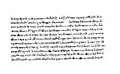 File:1st_page_-_The_Loiyumpa_Silyel_-_finalised_in_12th_century_CE_-_drafted_in_429_CE_-_written_Constitution_-_Classical_Meitei_language_-_Traditional_Meetei_Mayek_script_-_Ningthouja_dynasty_-_Kangleipak_civilization.jpg
 File:2nd_page_-_The_Loiyumpa_Silyel_-_finalised_in_12th_century_CE_-_drafted_in_429_CE_-_written_Constitution_-_Classical_Meitei_language_-_Traditional_Meetei_Mayek_script_-_Ningthouja_dynasty_-_Kangleipak_civilization.jpg
 File:3rd_page_-_The_Loiyumpa_Silyel_-_finalised_in_12th_century_CE_-_drafted_in_429_CE_-_written_Constitution_-_Classical_Meitei_language_-_Traditional_Meetei_Mayek_script_-_Ningthouja_dynasty_-_Kangleipak_civilization.jpg
 File:4th_page_-_The_Loiyumpa_Silyel_-_finalised_in_12th_century_CE_-_drafted_in_429_CE_-_written_Constitution_-_Classical_Meitei_language_-_Traditional_Meetei_Mayek_script_-_Ningthouja_dynasty_-_Kangleipak_civilization.jpg
 File:5th_page_-_The_Loiyumpa_Silyel_-_finalised_in_12th_century_CE_-_drafted_in_429_CE_-_written_Constitution_-_Classical_Meitei_language_-_Traditional_Meetei_Mayek_script_-_Ningthouja_dynasty_-_Kangleipak_civilization.jpg
 File:6th_page_-_The_Loiyumpa_Silyel_-_finalised_in_12th_century_CE_-_drafted_in_429_CE_-_written_Constitution_-_Classical_Meitei_language_-_Traditional_Meetei_Mayek_script_-_Ningthouja_dynasty_-_Kangleipak_civilization.jpg
 File:7th_page_-_The_Loiyumpa_Silyel_-_finalised_in_12th_century_CE_-_drafted_in_429_CE_-_written_Constitution_-_Classical_Meitei_language_-_Traditional_Meetei_Mayek_script_-_Ningthouja_dynasty_-_Kangleipak_civilization.jpg
 File:8th_page_-_The_Loiyumpa_Silyel_-_finalised_in_12th_century_CE_-_drafted_in_429_CE_-_written_Constitution_-_Classical_Meitei_language_-_Traditional_Meetei_Mayek_script_-_Ningthouja_dynasty_-_Kangleipak_civilization.jpg
 File:9th_page_-_The_Loiyumpa_Silyel_-_finalised_in_12th_century_CE_-_drafted_in_429_CE_-_written_Constitution_-_Classical_Meitei_language_-_Traditional_Meetei_Mayek_script_-_Ningthouja_dynasty_-_Kangleipak_civilization.jpg
 File:10th_page_-_The_Loiyumpa_Silyel_-_finalised_in_12th_century_CE_-_drafted_in_429_CE_-_written_Constitution_-_Classical_Meitei_language_-_Traditional_Meetei_Mayek_script_-_Ningthouja_dynasty_-_Kangleipak_civilization.jpg
 File:11th_page_-_The_Loiyumpa_Silyel_-_finalised_in_12th_century_CE_-_drafted_in_429_CE_-_written_Constitution_-_Classical_Meitei_language_-_Traditional_Meetei_Mayek_script_-_Ningthouja_dynasty_-_Kangleipak_civilization.jpg
 File:12th_page_-_The_Loiyumpa_Silyel_-_finalised_in_12th_century_CE_-_drafted_in_429_CE_-_written_Constitution_-_Classical_Meitei_language_-_Traditional_Meetei_Mayek_script_-_Ningthouja_dynasty_-_Kangleipak_civilization.jpg
 File:13th_page_-_The_Loiyumpa_Silyel_-_finalised_in_12th_century_CE_-_drafted_in_429_CE_-_written_Constitution_-_Classical_Meitei_language_-_Traditional_Meetei_Mayek_script_-_Ningthouja_dynasty_-_Kangleipak_civilization.jpg
 File:14th_page_-_The_Loiyumpa_Silyel_-_finalised_in_12th_century_CE_-_drafted_in_429_CE_-_written_Constitution_-_Classical_Meitei_language_-_Traditional_Meetei_Mayek_script_-_Ningthouja_dynasty_-_Kangleipak_civilization.jpg
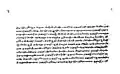 File:15th_page_-_The_Loiyumpa_Silyel_-_finalised_in_12th_century_CE_-_drafted_in_429_CE_-_written_Constitution_-_Classical_Meitei_language_-_Traditional_Meetei_Mayek_script_-_Ningthouja_dynasty_-_Kangleipak_civilization.jpg
 File:16th_page_-_The_Loiyumpa_Silyel_-_finalised_in_12th_century_CE_-_drafted_in_429_CE_-_written_Constitution_-_Classical_Meitei_language_-_Traditional_Meetei_Mayek_script_-_Ningthouja_dynasty_-_Kangleipak_civilization.jpg
 File:17th_page_-_The_Loiyumpa_Silyel_-_finalised_in_12th_century_CE_-_drafted_in_429_CE_-_written_Constitution_-_Classical_Meitei_language_-_Traditional_Meetei_Mayek_script_-_Ningthouja_dynasty_-_Kangleipak_civilization.jpg
 File:18th_page_-_The_Loiyumpa_Silyel_-_finalised_in_12th_century_CE_-_drafted_in_429_CE_-_written_Constitution_-_Classical_Meitei_language_-_Traditional_Meetei_Mayek_script_-_Ningthouja_dynasty_-_Kangleipak_civilization.jpg
 File:19th_page_-_The_Loiyumpa_Silyel_-_finalised_in_12th_century_CE_-_drafted_in_429_CE_-_written_Constitution_-_Classical_Meitei_language_-_Traditional_Meetei_Mayek_script_-_Ningthouja_dynasty_-_Kangleipak_civilization.jpg
Related pages
References
- ↑ Sanajaoba, Naorem (1991). Law and Society: Strategy for Public Choice, 2001. Mittal Publications. ISBN 978-81-7099-271-4.
- ↑ Sanajaoba, Naorem (1993). Manipur: Treatise & Documents. Mittal Publications. ISBN 978-81-7099-399-5.
- ↑ Sanajaoba, Naorem (1991). Law and Society: Strategy for Public Choice, 2001. Mittal Publications. ISBN 978-81-7099-271-4.
- ↑ Sanajaoba, Naorem (1993). Manipur: Treatise & Documents. Mittal Publications. ISBN 978-81-7099-399-5.
- ↑ Gangte, Priyadarshni M. (2008). Customary Laws of Meitei and Mizo Societies of Manipur. Akansha Publishing House. ISBN 978-81-8370-130-3.
- ↑ Singh, Ch Manihar (1996). A History of Manipuri Literature. Sahitya Akademi. ISBN 978-81-260-0086-9.
- ↑ Singh, Ch Manihar (1996). A History of Manipuri Literature. Sahitya Akademi. ISBN 978-81-260-0086-9.
- ↑ Sanajaoba, Naorem (1991). Law and Society: Strategy for Public Choice, 2001. Mittal Publications. ISBN 978-81-7099-271-4.
- ↑ Singh, Ch Manihar (1996). A History of Manipuri Literature. Sahitya Akademi. ISBN 978-81-260-0086-9.
- ↑ Paniker, K. Ayyappa (1997). Medieval Indian Literature: Surveys and selections. Sahitya Akademi. ISBN 978-81-260-0365-5.
- ↑ Khan, Rasheeduddin; Study, Indian Institute of Advanced (1987). Composite Culture of India and National Integration. Indian Institute of Advanced Study.
- 1 2 Sanajaoba, Naorem (1993). Manipur: Treatise & Documents. ISBN 9788170993995.
- ↑ "Proceedings of the North East India History Association". 1982.
- 1 2 "Proceedings of the North East India History Association". 1982.
- ↑ Sanajaoba, Naorem (1993). Manipur: Treatise & Documents. ISBN 9788170993995.
- ↑ Sanajaoba, Naorem (1993). Manipur: Treatise & Documents. ISBN 9788170993995.
- ↑ Sanajaoba, Naorem (1993). Manipur: Treatise & Documents. ISBN 9788170993995.
- ↑ Sanajaoba, Naorem (1993). Manipur: Treatise & Documents. ISBN 9788170993995.
- ↑ Sanajaoba, Naorem (1993). Manipur: Treatise & Documents. ISBN 9788170993995.
- ↑ Sanajaoba, Naorem (1993). Manipur: Treatise & Documents. ISBN 9788170993995.
- ↑ Sanajaoba, Naorem (1993). Manipur: Treatise & Documents. ISBN 9788170993995.
- ↑ Sanajaoba, Naorem (1993). Manipur: Treatise & Documents. ISBN 9788170993995.
- ↑ Sanajaoba, Naorem (1993). Manipur: Treatise & Documents. ISBN 9788170993995.
- ↑ Sanajaoba, Naorem (1993). Manipur: Treatise & Documents. ISBN 9788170993995.
- ↑ Sanajaoba, Naorem (1993). Manipur: Treatise & Documents. ISBN 9788170993995.
- ↑ Sanajaoba, Naorem (1993). Manipur: Treatise & Documents. ISBN 9788170993995.
- ↑ Sanajaoba, Naorem (1993). Manipur: Treatise & Documents. ISBN 9788170993995.
- ↑ Sanajaoba, Naorem (1993). Manipur: Treatise & Documents. ISBN 9788170993995.
- ↑ Sanajaoba, Naorem (1993). Manipur: Treatise & Documents. ISBN 9788170993995.
- ↑ Sanajaoba, Naorem (1993). Manipur: Treatise & Documents. ISBN 9788170993995.
- ↑ Sanajaoba, Naorem (1993). Manipur: Treatise & Documents. ISBN 9788170993995.
- ↑ Sanajaoba, Naorem (1993). Manipur: Treatise & Documents. ISBN 9788170993995.
- ↑ Sanajaoba, Naorem (1993). Manipur: Treatise & Documents. ISBN 9788170993995.
- ↑ Sanajaoba, Naorem (1993). Manipur: Treatise & Documents. ISBN 9788170993995.
- ↑ Sanajaoba, Naorem (1993). Manipur: Treatise & Documents. ISBN 9788170993995.
- ↑ Sanajaoba, Naorem (1993). Manipur: Treatise & Documents. ISBN 9788170993995.
- ↑ Sanajaoba, Naorem (1993). Manipur: Treatise & Documents. ISBN 9788170993995.
- ↑ Sanajaoba, Naorem (1993). Manipur: Treatise & Documents. ISBN 9788170993995.
- ↑ Sanajaoba, Naorem (1993). Manipur: Treatise & Documents. ISBN 9788170993995.
- ↑ Sanajaoba, Naorem (1993). Manipur: Treatise & Documents. ISBN 9788170993995.
- ↑ Sanajaoba, Naorem (1993). Manipur: Treatise & Documents. ISBN 9788170993995.
- ↑ Sanajaoba, Naorem (1993). Manipur: Treatise & Documents. ISBN 9788170993995.
- ↑ Sanajaoba, Naorem (1993). Manipur: Treatise & Documents. ISBN 9788170993995.
- ↑ Sanajaoba, Naorem (1993). Manipur: Treatise & Documents. ISBN 9788170993995.
- ↑ Sanajaoba, Naorem (1993). Manipur: Treatise & Documents. ISBN 9788170993995.
- ↑ Sanajaoba, Naorem (1993). Manipur: Treatise & Documents. ISBN 9788170993995.
- ↑ Sanajaoba, Naorem (1993). Manipur: Treatise & Documents. ISBN 9788170993995.
- ↑ Sanajaoba, Naorem (1993). Manipur: Treatise & Documents. ISBN 9788170993995.
- ↑ Sanajaoba, Naorem (1993). Manipur: Treatise & Documents. ISBN 9788170993995.
- ↑ Sanajaoba, Naorem (1993). Manipur: Treatise & Documents. ISBN 9788170993995.
- 1 2 3 4 5 6 7 8 9 10 11 12 13 14 15 16 17 18 19 20 21 22 23 24 25 26 27 28 29 30 31 32 33 34 35 36 37 38 39 40 41 42 43 44 45 46 47 48 49 50 51 52 53 54 55 56 57 58 59 60 61 62 63 64 65 66 67 68 69 70 71 72 73 74 75 76 77 78 79 80 81 82 83 84 85 86 87 88 89 90 91 92 93 94 95 96 97 98 99 100 101 102 103 104 105 106 107 108 Manipur: Treaties & Documents. India: Mittal Publications, 1993. p. 7–11
- 1 2 3 4 5 6 7 8 9 10 11 12 13 14 15 16 17 18 19 20 21 22 23 24 25 26 27 28 29 30 31 32 33 34 35 36 37 38 39 40 41 42 43 44 45 46 47 48 49 50 51 52 53 54 55 56 57 58 59 60 61 62 63 64 65 66 67 68 69 70 71 72 73 74 75 76 77 78 79 80 81 82 83 84 85 86 87 88 89 90 91 92 93 94 95 96 97 98 99 100 101 102 103 104 105 106 107 108 Manikchand Singh, konsam (2012). Loiyumpa Silyel The Ancient Constitution Of Manipur.
- 1 2 3 4 5 6 7 8 9 10 11 12 13 14 15 16 17 18 19 20 21 22 23 24 25 26 27 28 29 30 31 32 33 34 35 36 37 38 39 40 41 42 43 44 45 46 47 48 49 50 51 52 53 54 55 56 57 58 59 60 61 62 63 64 65 66 67 68 69 70 71 72 73 74 75 76 77 78 79 80 81 82 83 84 85 86 87 88 89 90 91 92 93 94 95 96 97 98 99 100 101 102 103 104 105 106 107 108 "Historical evidence | Meeyamgi Ningtam Lanmee". 2022-02-25. Retrieved 2025-05-23.
- 1 2 3 4 5 6 7 8 9 10 11 12 13 14 15 16 17 18 19 20 21 22 23 24 25 26 27 28 29 30 31 32 33 34 35 36 37 38 39 40 41 42 43 44 45 46 47 48 49 50 51 52 53 54 55 56 57 58 59 60 61 62 63 64 65 66 67 68 69 "ANCIENT MEETEI WRITTEN CONSTITUTION". Retrieved 2025-05-23.
Other websites

- Loiyumpa Silyel at English Wiktionary