Ājīvika
Ājīvika was an old religion and philosophy in ancient India. It existed around the same time as Buddhism and Jainism. The followers were called Ājīvikas.[1]
Beliefs
Ājīvikas believed that everything in life happens because of niyati, which means fate or destiny. They thought that people cannot change their future by doing good or bad actions. Everything is already decided.
Because of this belief, they did not think that karma or free will could change what happens. Life, death, and rebirth all follow a fixed path.
Practices
Many Ājīvikas lived as monks. They gave up money and comfort, lived simply, and meditated. Some stories say that they wore no clothes, like the early Digambara Jains.
Founders and history
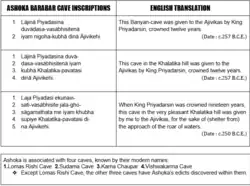
The founder of the Ājīvika order was Makkhali Gosala (also called Gosala Maskariputra). He lived around the 5th century BCE and was said to be a friend and later rival of Mahavira, the founder of Jainism. The Ājīvikas were once powerful and were supported by some kings, including Bindusara, the father of Ashoka.
Related pages
References
- ↑ Basham, Arthur Llewellyn (1981). History and Doctrines of the Ajivikas: A Vanished Indian Religion. Motilal Banarsidass. ISBN 978-81-208-1204-8.